
From First Plug to First Insight
Where do fleets stumble first?
Here’s the truth: you don’t have a charger problem—you have a planning gap. In the rush to scale EV charging for fleets, many teams copy the passenger-car playbook. But fleet duty cycles are not retail pit stops. Data shows demand charges can eat 30–60% of an electric bill at busy depots, and plug idle time often hides in plain sight. So, why do rollouts stall? Old habits. Fixed schedules. One-size-fits-all hardware. Look, it’s simpler than you think: you need to match energy to routes, not the other way around (and yes, that means new math).

Traditional installs chase peak kW and ignore flow. They oversize the gear, then underuse it. Load balancing goes in late. OCPP settings get skipped. The result: queues at 6 a.m., soft alarms at night, and drivers who lose trust. Meanwhile, the distribution transformer hits its limit and no one is watching SOC trends. The pain is not the plug. It’s the plan, the data, and the constraints. So ask the sharper question: which kW do we buy, and which kW do we avoid? That shift opens doors—funny how that works, right? Let’s line up what actually moves the needle next.
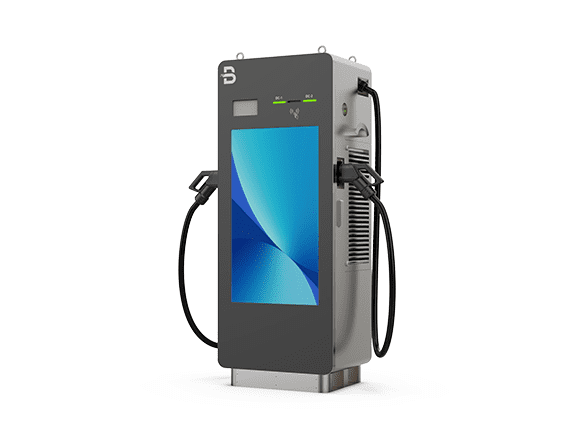
Next-Gen Principles That Change the Cost Curve
What’s Next
The path forward is comparative, not absolute. Compare routes, not vehicles. Compare minutes, not miles. Modern systems pair edge computing nodes with smart power converters to shape charge in real time. They read telematics, forecast SOC, and schedule by duty cycle—under time-of-use rates, not wishful thinking. Add OCPP 2.0.1 and ISO 15118, and plugs get smarter. Plug & Charge trims start times. Predictive load balancing prevents those 6 a.m. spikes. In short, the system learns. And when it learns, your bill drops. That is the quiet win.
Here’s how the stack looks when it works. Site control shifts from static setpoints to constraint-first logic: transformer headroom, breaker limits, route ETAs, and driver breaks (the real bottleneck). Algorithms run at the edge to keep charging even if the cloud goes dark. V2G-ready ports capture backfeed windows for peak shaving. Microgrid tie-ins steady the depot when storms roll in. Tie it all together with SCADA or DERMS for grid-friendly dispatch. The result is boring on purpose—stable, cheap, repeatable. That stability is the best kind of progress—and that surprises people.
Not every fleet needs the full stack on day one. Start with policy, prove with a pilot, then scale the hardware. Case in point: one mixed van-and-shuttle depot moved from fixed overnight charging to adaptive slots. They used EV fleet charging solutions that scored each plug-in by route urgency and SOC. They cut morning peaks by 42%, shaved demand charges in the first quarter, and reduced driver wait time by half. No new transformer. Just better sequencing and clear alarms. The kicker? Maintenance calls fell because the plan stopped fighting the hardware.
Before you buy another charger, measure what matters. Three checks make choices simple: 1) Constraint fit: does the platform enforce site limits, route SLAs, and breaker rules in one view? 2) Cost logic: can it simulate demand charges, time-of-use rates, and V2G revenue by schedule, not just by month? 3) Interop depth: does it support OCPP profiles, ISO 15118, and your telematics feed without brittle workarounds? Score vendors on these, side-by-side. Then let the math pick the winner. The rest is steady execution—with a quiet nod to partners like EVB.