
A Soft Blink Before the Buy
At the golden edge of evening, a shopper reaches for a small tube that promises color and calm. Behind that pause stand make up packaging manufacturers, tuning weight, sheen, and click so the hand believes what the heart hopes. In store studies, most choices land in under seven seconds, and more than half are swayed by what the fingers feel and the eyes read—texture, print, the little seal of care. If a cap wobbles or an imprint smears, the spell breaks. What turns a brief moment into a bond?
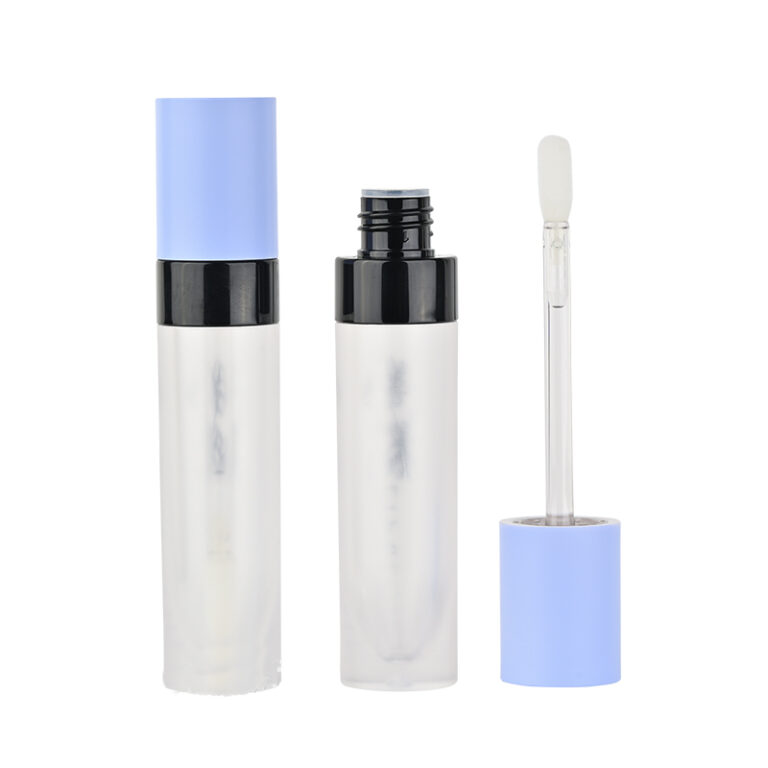
Consider the quiet craft inside the gloss: an airless pump that shields a formula from air, a UV coating that catches light like rain on glass. These details hold promise, yet they also hide trade-offs (cost, lead time, risk). We compare, we weigh, we wonder—does the package serve the story and the shelf? The answer lives in how choices are made across volumes, regions, and seasons. And that is where the wholesale path opens. Let’s step into it together, and see what lies under the lid.
Under the Lid: Hidden Friction in Wholesale Choices
How do hidden costs creep in?
When buyers search for makeup packaging wholesale, the price-per-unit looks simple. It isn’t. Look, it’s simpler than you think—and yet not simple at all. Traditional quotes hide drift: MOQ ladders that force extra stock, tooling lead time that slips a launch, and color shifts from batch to batch because tolerances are loosely held. A sleek tube from injection molding may pass a desk check, then fail torque testing on the line—funny how that works, right? Each small miss piles on freight, rework, and delay.
The pain points sit in the seams. PCR resin is chosen for sustainability, but the melt flow changes and walls flex. Screen art looks crisp on proofs, yet smears after a hot truck ride. An airless pump feels premium, but the actuator stroke varies across lots, so fill weights need offset. None of these show in a first sample. They show when 20,000 units meet a real conveyor. Hidden friction, then: not bad vendors, but gaps in spec discipline, DFM handoff, and real-world QA loops. That’s the deeper layer buyers must read.
Comparative Horizon: New Principles Redrawing the Map
What’s Next
Here’s the shift: instead of chasing cheaper caps, buyers ask how the system learns. Leading makeup packaging companies now ground decisions in new technology principles—digital colorimetry that locks shade across factories, inline sensors that check torque and seal strength, and modular tooling that swaps cavities without a full reset. The goal is fewer surprises, not just fewer cents. With parametric CAD for DFM, wall thickness and snap-fit dwell can be tuned before steel is cut. And with LCA dashboards, trade-offs between PCR content and durability are clear (not a hunch, a number).
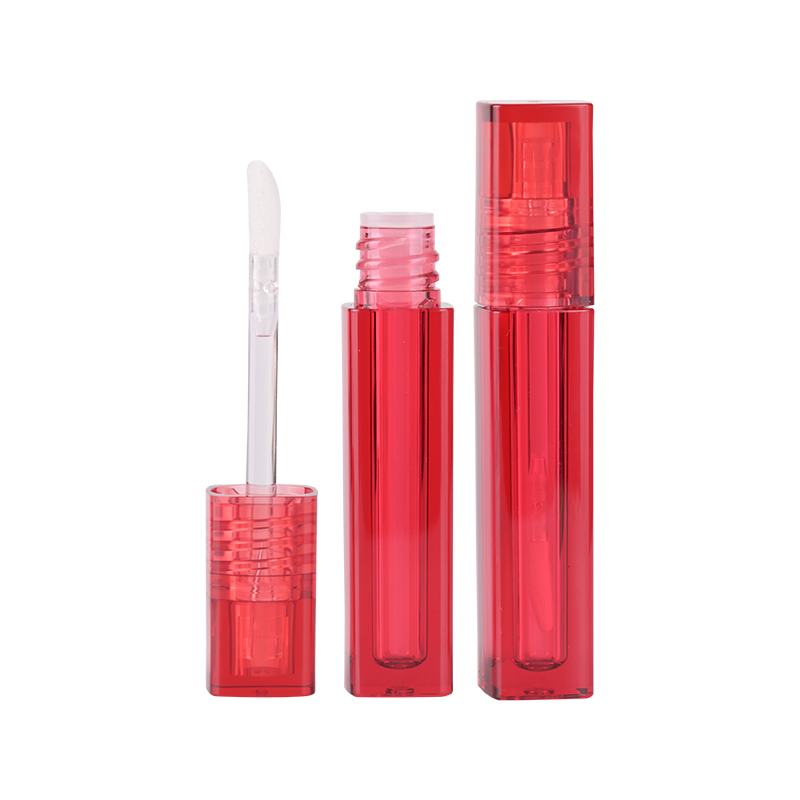
This forward look is comparative by design. Instead of “Which unit is cheaper?” we ask “Which flow is stabler across months and modes?” UV coating versus anodized aluminum; silk-screening versus pad printing; coextrusion for barrier versus mono-material for easy sorting—each has a best-fit window. Summing up, the earlier gaps—MOQ pressure, soft specs, and missing real-world QA—turn into levers when data is live at the edge. Advisory close: choose with three checks in hand. 1) Process capability: Cp/Cpk on torque, leak rate, and color delta-E. 2) Lifecycle clarity: PCR percentage plus durability and recycling path. 3) Lead-time resilience: tooling changeover minutes and verified second-source readiness. Keep these in view, and the shelf moment grows steady—odd, but true. NAVI Packaging