
Challenging Scenarios in Connectivity
Imagine standing at an outdoor festival, surrounded by thousands of other attendees, all vying for a stable internet connection. Do you think the existing network infrastructure can truly handle such a significant load? This scenario illustrates a critical challenge faced by traditional solutions. The need for robust connectivity—especially for high-demand environments—brings the 5G outdoor router to the forefront. Users often encounter slow data speeds and connection drops, which can be incredibly frustrating when you’re trying to share moments in real-time.
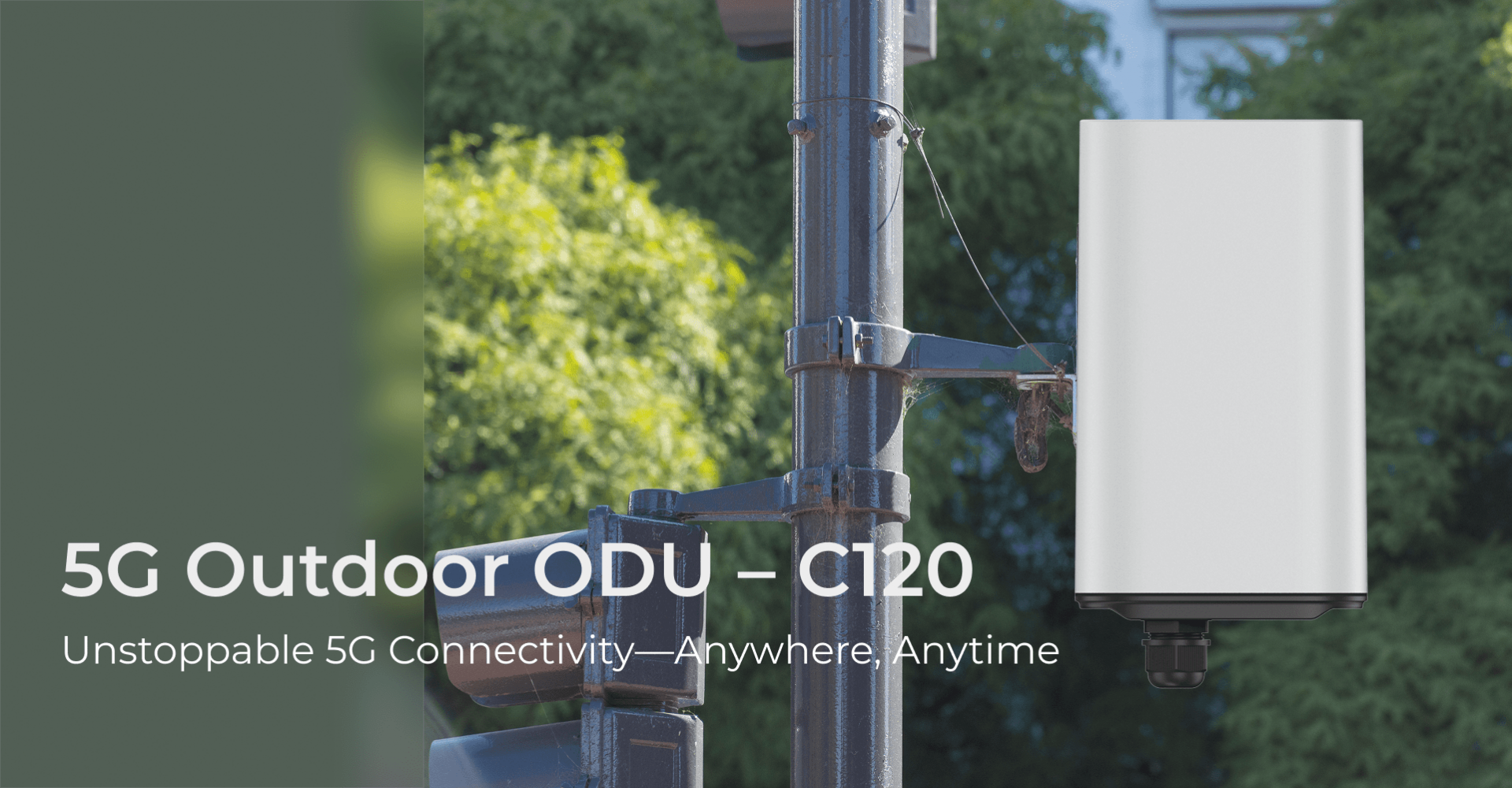
While many assume that a simple upgrade will solve these issues, that’s rarely the case. For instance, in my experience managing events, I noticed that users were constantly battling with latency issues due to the number of devices connecting to existing trackers. The infrastructure simply wasn’t built for high-density environments. Understanding these drawbacks is critical as we move forward with the development of next-gen technology.
Do You Really Need to Upgrade?
The Evolution of 5G Solutions
As we pivot toward a future dominated by 5G, it’s essential to explore the advancements in technology. The introduction of the 5G cpe odu is not just an upgrade—it’s a revolution in connectivity. Think about it: with significantly reduced latency and enhanced capacity, this technology promises to reshape how we interact with our digital landscapes. Many experts are putting their chips on this new hardware, and I personally can’t help but feel a mixture of excitement and skepticism.
There’s a world of difference between what we have now and what’s on the horizon. The major improvements in bandwidth and data transmission speeds can mean the difference between a lagging performance and seamless user experience. Sometimes I wonder—how quickly will organizations adapt and fully leverage this transformative 5G technology? We’re standing at a pivotal point, where our decisions will have significant long-term impacts on connectivity standards.
What’s Next for 5G?
Long-Term Impacts on Connectivity
Summarizing the potential improvements, we see a pathway toward faster, more reliable connections for everyday users. Still, the challenge lies in ensuring that businesses and organizations embrace these advancements effectively. Given my years in tech retail, I can say that evaluating new solutions isn’t just about asking if they work—it’s about understanding how they can truly fit into existing systems. A tech upgrade should not just be an event; it should be a thoughtful transition that provides measurable improvements.
I believe there are three key metrics to gauge the effectiveness of a new solution: speed, reliability, and ease of integration. By focusing your evaluation on these areas, you can better predict your organization’s success in adapting to 5G infrastructure. I remember a company that struggled with connectivity issues for weeks. They finally decided to invest in a reliable 5G outdoor router and saw a complete turnaround in performance! It’s fascinating how a well-thought-out decision can entirely change dynamics.
As we forge ahead, it’s vital to shed light on the path toward improved connectivity experiences. Continuous evaluation and informed choices will pave the way for innovations that truly meet user demands. To learn more about effective solutions, check out offerings from Wewins—they’re worth your attention!