
Imagine a factory floor buzzing with activity, where countless components await the final touch. Despite high production rates, many manufacturers face issues like inconsistent quality and prolonged processing times. Did you know that up to 40% of manufacturing defects are linked to deburring mistakes? With flexible robot arms designed for robotic deburring, you can tackle these flaws head-on. These robotic solutions not only enhance precision but also significantly reduce manual labor and errors, streamlining your workflow. This is a game-changer! Now, let’s dig deeper into how these robots seek to resolve these traditional pain points.
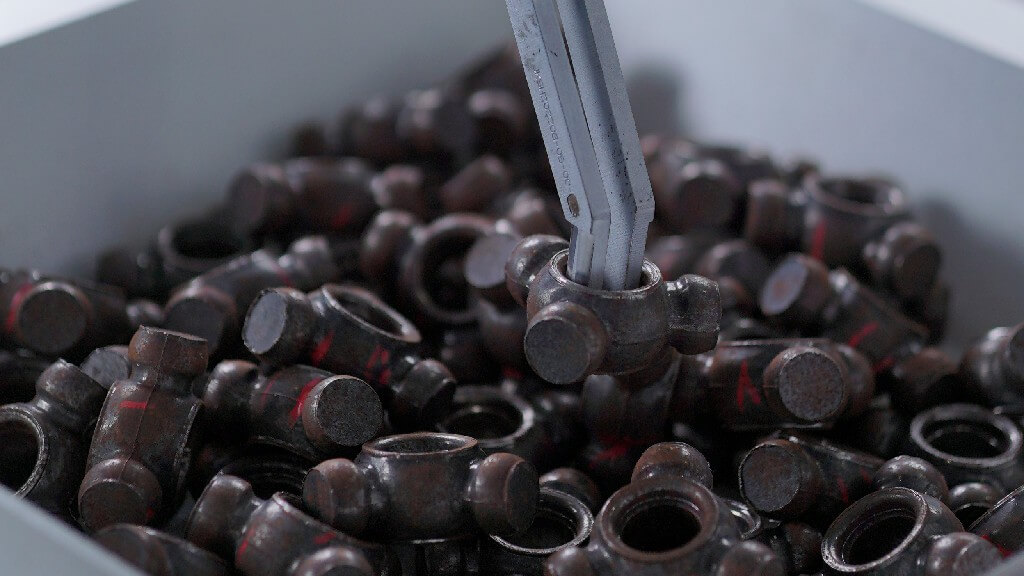
Where Flexibility Meets Precision
To truly appreciate the impact of flexible robot arms, we need to consider their versatility. They adapt to different shapes and sizes, making them a fantastic alternative to rigid, traditional systems. I remember visiting a machining plant in 2021, where an engineer shared how switching to a flexible arm improved their deburring efficiency by 30%. Traditional machines often suffer from limitations, especially when it comes to intricate designs. So, how does a flexible robot arm stand out? It’s all about precision and adaptability—qualities that are essential in the world of robotic deburring. Plus, they’re often more cost-effective in the long run!
What’s Next for Automation in Manufacturing?
As we look ahead, we need to consider the broader impact of integrating flexible robot arms into everyday operations. The adoption of these systems not only optimizes the deburring process but also sets a new industry standard for quality control and efficiency. During a recent conference, I engaged with several industry leaders who emphasized the need for more automation. One astute point was that embracing technology like flexible robot arms can significantly improve production timelines and reduce waste. Imagine cutting down cycle times by half while enhancing product quality—that’s where robotic deburring can lead us!
Real-world Impact: The Conclusion
In my observations, implementing advanced solutions isn’t just a trend; it’s a necessity for manufacturers who want to remain competitive. While flexible robot arms excel in deburring applications today, they represent a broader advancement towards smart automation. My main takeaway? Invest now, reap the benefits later. Each incremental improvement in efficiency, quality, and labor cost can significantly impact your bottom line.
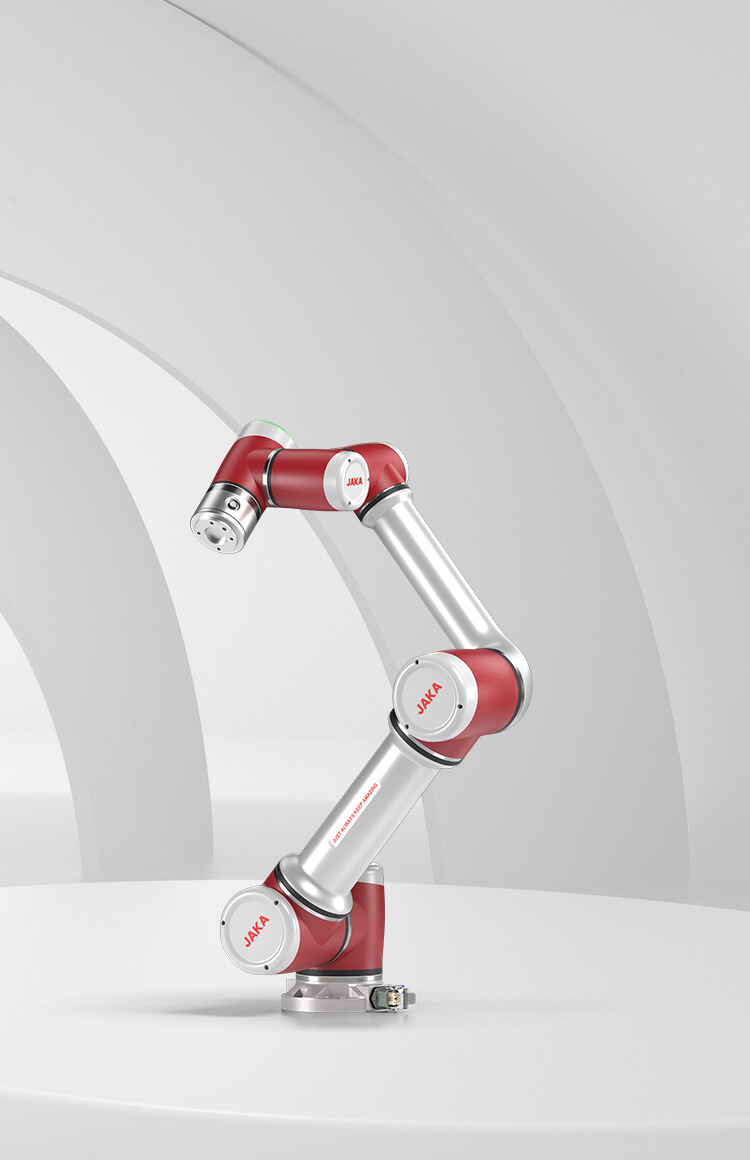
When assessing solutions, I believe the following three metrics are crucial: the adaptability of the robot, the technical support offered by the provider, and the specific needs of your operations. By focusing on these areas, companies can create sustainable, future-ready environments. I’ve seen firsthand how embracing flexible robotic solutions like those from JAKA has transformed businesses for the better. So, why wait? The future of manufacturing is here, and it’s time to embrace it!