
An Inside Look at Traditional HCP Assay Kits
Imagine a bustling lab, where researchers are knee-deep in experiments, striving for impactful discoveries. Yet, how often do we see frustration on their faces? According to recent studies, nearly 70% of lab professionals reported experiencing inefficiencies due to outdated HCP assay kits. These kits form the backbone of hcp analysis, but flaws in traditional solutions can lead to wasted time and resources. The challenge is undeniable: how do we transition to smarter, more effective workflows in our analyses?
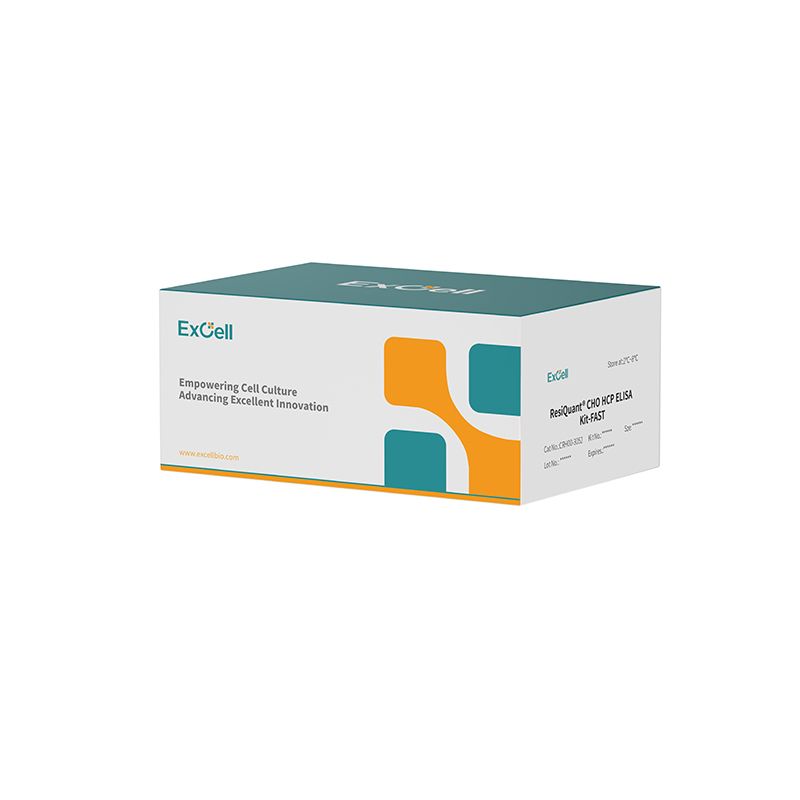
The User Experience: Is Your HCP Assay Kit Meeting Expectations?
Let me take you back a few months to a project I was involved in. We were using a classic hcp assay kit, but the results were inconsistent. It turned out that variability in sample handling was causing a great deal of uncertainty. This kind of problem isn’t just an individual hiccup; it’s a widespread issue faced by many in the field. Understanding these hidden pain points is crucial for moving forward. Are we truly utilizing hcp analysis to its fullest potential?
What Makes a Good HCP Assay Kit?
Factors like specificity, sensitivity, and ease of use are critical. As I navigate through different options, clear communication and detailed protocol guides can make all the difference. It’s like embarking on a journey with a well-crafted map—just helps you avoid unnecessary detours!
Envisioning a Better Path: The Future of HCP Analysis
Shifting our focus to the future, the advancements in HCP analysis are promising. With emerging technologies and refined assay designs, I see an opportunity to overcome previous limitations. Imagine smart assay kits that incorporate automation—no more manual errors, less guesswork. This advancement doesn’t just streamline processes; it also enhances the reliability of results. If we consider the integration of AI and machine learning into assay kits, the potential is immense. The key question—how will this reshaping redefine our understanding of hcp analysis?
Choosing the Right Solution: Metrics to Consider
As we explore new solutions, I encourage you to evaluate three key metrics: reproducibility of results, ease of protocol execution, and overall turnaround time. These factors are essential in ensuring that your workflow remains efficient and productive. I often reflect on how a single decision can ripple outwards, influencing everything from daily operations to long-term research goals. No one wants to be stuck in a rut, right?
Lessons Learned and Looking Forward
Reflecting on my experiences, I’ve come to appreciate the importance of adaptability in our field. Investing in updated hcp assay kits can yield significant benefits, both in output quality and operational efficiency. As we navigate this ever-evolving landscape, my advice is to remain open-minded and proactive. A little investment now can save you heaps in the long run. Remember, your lab’s success hinges on the tools you choose—be discerning and innovative!
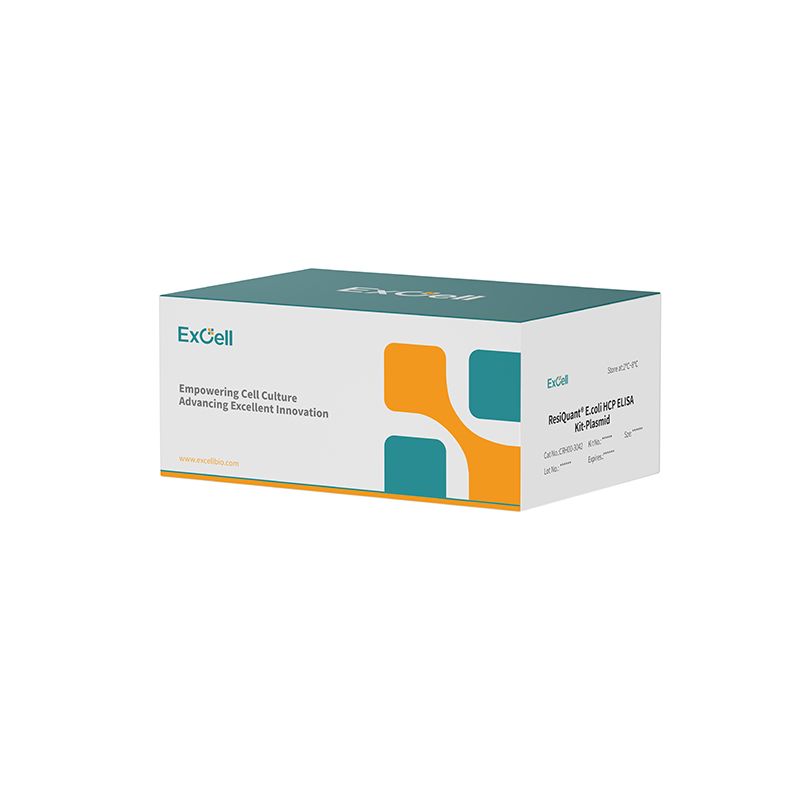
In conclusion, the world of hcp analysis is rapidly changing, and so should our approaches. While we’ve faced traditional shortcomings, the horizon gleams with better solutions ahead. I honestly believe that by making informed choices, like opting for cutting-edge assay kits, we will pave the way for breakthroughs that foster scientific progress. For top-tier products that can support your needs, do check ExCellBio. Let’s embrace growth, shall we?